
The Impact of Colors: Understanding Color Themes in Design
When it comes to design, color is far more than just decoration—it's a powerful communicator. Colors can set the tone, evoke emotions, and influence decisions without saying a single word. The key to using color effectively in your designs lies not only in understanding individual colors but also in grasping the impact of color themes and the moods they create.
Color themes are broader than single hues—they represent the collective feeling created by a combination of shades, tones, and tints. Let’s dive deeper into how different color themes influence design and shape the perception of your brand, art, or message.

Warm Color Themes: Inviting & Energizing
Warm colors like reds, oranges, and yellows form the core of this theme, but the exact mood depends on the intensity and shade you choose.
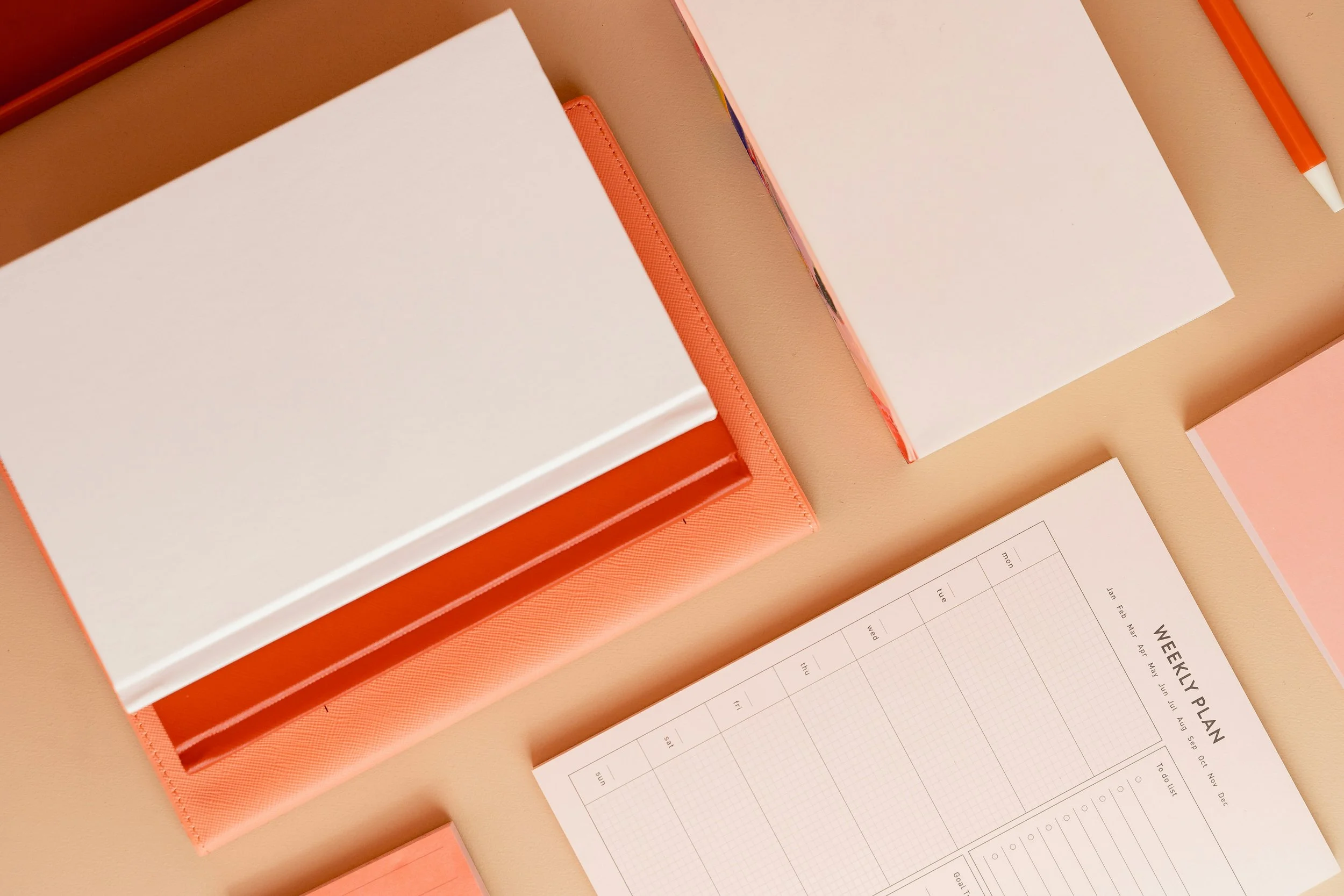
Vibrant & Bold: Imagine bold tones like fire-engine red, tangerine orange, and sunshine yellow. These colors scream energy, excitement, and enthusiasm. A vibrant, warm color theme is perfect for grabbing attention—think fast-food chains or youthful, playful brands. However, this energy can easily overwhelm if used across large areas, so it’s best paired with neutral tones to let the bright colors pop without overpowering.
Soft & Cozy: In contrast, muted versions of warm colors—like peach, apricot, and soft buttery yellow—create a sense of comfort and coziness. These tones are inviting and can make a design feel approachable and warm, often seen in lifestyle brands or products aimed at creating a sense of homeliness and ease.
Cool Color Themes: Calm & Refreshing

On the other end of the spectrum, we have cool color themes, which include shades of blues, greens, and purples. These color palettes tend to evoke feelings of calm, serenity, and professionalism.
Bright & Refreshing: Think of an ocean breeze or a crisp, clear sky. Bright shades like turquoise, seafoam green, and sky blue are uplifting, fresh, and often used to convey renewal and energy in a calming way. Brands in the wellness or tech industry frequently turn to these colors to express vitality while maintaining a peaceful aura.
Muted & Tranquil: On the more subdued side, cool tones like sage green, lavender, and soft blue-gray create a calm, serene atmosphere. These shades are great for designs where you want to encourage relaxation or reflection—like in spas, yoga studios, or products focused on mental well-being.
Earthy Color Themes: Grounded & Organic
Earthy palettes are made up of natural tones—browns, beiges, muted greens, and stone grays—that reflect the colors found in nature. These themes are especially popular in designs that seek to communicate sustainability, wellness, and authenticity.
Rich & Grounded: Deeper earth tones like forest green, chocolate brown, and clay give off a grounded, stable vibe. These are the colors of mountains, trees, and rich soil, often used to represent durability, dependability, and natural beauty. Brands focusing on eco-conscious or handmade products often utilize this color theme to signal connection to the earth.
Soft & Organic: On the lighter side, earthy tones like sandstone, terracotta, and pale olive green evoke a sense of organic warmth and understated sophistication. These tones feel natural and unpretentious, making them a great choice for minimalist designs that aim to be warm without being overwhelming.
Neutral Color Themes: Sophisticated & Versatile
Neutral color themes encompass a range of blacks, whites, grays, and taupes. While neutral colors often play supporting roles in design, they can also be the stars of a minimalist or modern look.
Dark & Dramatic: Black, charcoal, and dark grays create an air of elegance and sophistication. These colors are often seen in high-end brands, fashion, and tech designs aiming to convey power, luxury, or professionalism. When paired with metallics like gold or silver, dark neutrals can take on an even more refined, glamorous edge.
Light & Airy: On the other hand, white, cream, and light gray tones contribute to a clean, fresh, and modern aesthetic. These colors are often associated with minimalism and purity. Light neutral palettes are frequently used in tech, interior design, and lifestyle brands to create an open, uncluttered feel.
Monochromatic Themes: Depth Through Variation
A monochromatic color scheme focuses on variations of a single hue, using different tints (lighter), tones (darker), and shades to add depth and complexity. While this might sound limiting, monochromatic themes can be incredibly impactful by offering a cohesive and focused design.
Dynamic Monochromes: Let’s say you're working with blue. You might incorporate a range of blues—from deep navy to powder blue to teal accents—to create a dynamic design without overwhelming the viewer. The subtle variation keeps things interesting while maintaining a harmonious look.
Sophisticated Monochromes: On the other hand, using lighter tones in a monochromatic scheme, like various shades of gray or beige, gives a design a sophisticated, understated elegance. It works especially well for brands that want to exude professionalism or luxury without too much flash.
Pastel Color Themes: Soft & Playful
Pastel color themes, featuring soft shades like blush pink, baby blue, and mint green, have a playful yet calming effect. These colors are perfect for creating a lighthearted and approachable design.
Fun & Youthful: Pastels like peach, lavender, and light mint green give off a youthful, fun vibe that’s perfect for products aimed at children, baby products, or even stationery and party supplies. The softness of pastels makes them playful but without the intensity of bright, bold colors.
Gentle & Dreamy: On the other hand, pastel color themes can also create a dreamy, tranquil effect, often used in designs that aim to relax or soothe. Whether it’s a yoga studio, a wellness brand, or even wedding invitations, pastel palettes are ideal for designs that need to evoke softness and calm.
High-Contrast Color Themes: Bold & Eye-Catching
High-contrast color themes rely on stark differences between dark and light colors or complementary hues, like black and white, or blue and orange. This theme creates visual tension, making it ideal for grabbing attention.
Bold & Edgy: High-contrast color schemes are not for the faint of heart. They're bold, daring, and meant to make a statement. Think of sports brands or action-oriented designs, where sharp contrasts create a sense of excitement, urgency, or dynamism.
Modern & Minimal: Alternatively, black-and-white or dark-and-light combinations can be used to create modern, minimalist designs that feel sleek and cutting-edge. High-contrast themes like these are often found in tech and luxury branding, where simplicity is paired with sophistication.
Conclusion: Choosing the Right Color Theme
Selecting the right color theme for your design depends on the message you want to convey and the audience you’re targeting. Whether you aim to inspire energy, calm, or elegance, there’s a color theme that will amplify your message. The real beauty of color in design lies in its ability to evoke emotions and tell stories without using words. So, as you explore different color themes, consider not just the aesthetic appeal, but the emotional resonance and psychological impact these colors will have on your audience.
Color themes are not just about picking what looks nice—they’re about crafting a visual experience that speaks to your viewer on a deeper level.
